Making Sleep Safer for Loved Ones with Complex Needs
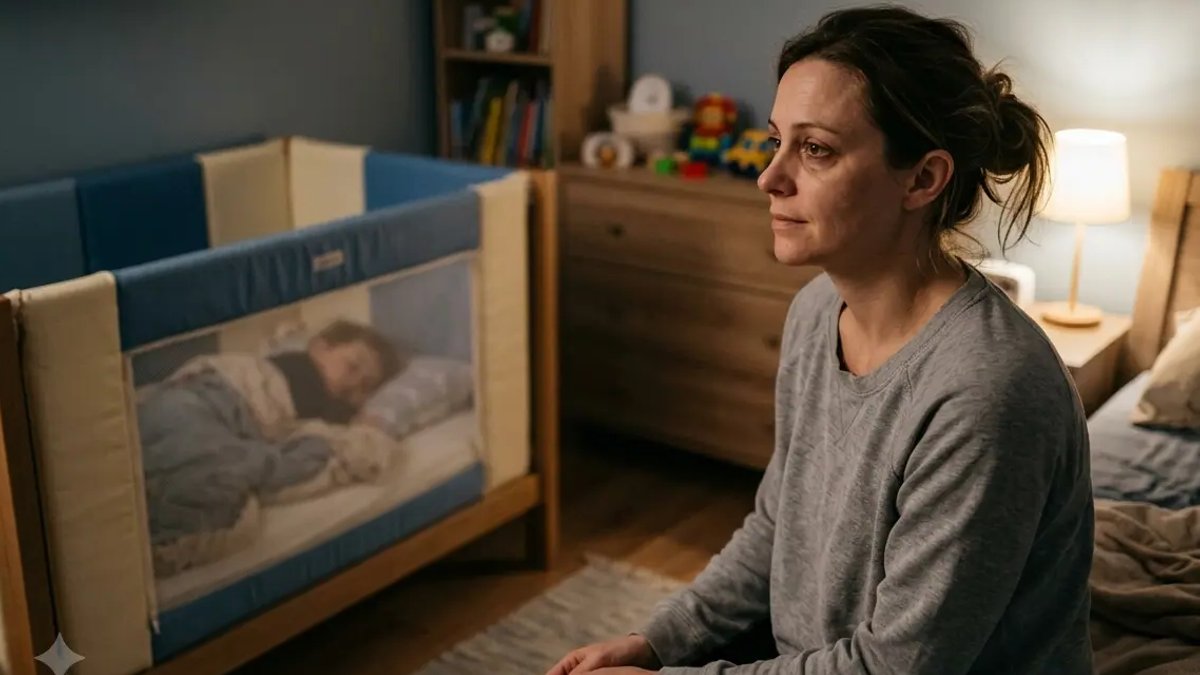
Bedtime presents a unique set of challenges for families caring for individuals with complex needs. While most people view sleep as a chance to recover, for these families, the hours after dark often bring increased anxiety rather than rest. Caregivers frequently describe the night shift as a period of heightened vigilance where the risk of injury or wandering looms large. This dynamic creates a cycle where the safety of the vulnerable person directly impacts the health of their protector.
Research confirms that chronic sleep deprivation poses significant health risks for family members. These risks include raised blood pressure, weakened immunity, weight gain, and a measurable decline in mental health. The physical strain of monitoring a restless sleeper often leads to musculoskeletal injuries, particularly during transfers. When a caregiver is exhausted, their ability to respond effectively diminishes, creating a dangerous feedback loop. The physical health of the person in bed and the person watching over them are inextricably linked.
Related: Dust and Debris Affect Smoke Detector Accuracy
Why Standard Barriers Often Fail
Common safety measures like standard bed rails, baby gates, and mattresses placed directly on the floor are frequently inadequate for high-risk individuals. A determined climber can easily scale a standard rail, and gates cannot protect someone mid-seizure in a hallway. Nighttime elopement, or wandering, is a particularly underreported crisis that puts these individuals at significant risk during vulnerable hours. Standard equipment simply does not account for the specific, unpredictable behaviors that occur when the environment changes at night.
Specialist safety beds offer a different approach by combining reinforced padded panels, breathable materials, and viewing windows. This design allows for monitoring without fully exposing the sleeper to the open room, which can reduce sensory overload. Height-adjustable features also play a key role in reducing physical strain on caregivers by minimizing the need to bend or lift during transfers. These adjustments address both the safety of the patient and the physical endurance of the caregiver.
Related: Arkley’s Futuristic Vows: Lab Grown Engagement Rings
Creating a safer sleep environment requires more than just specialized furniture. The American Academy of Pediatrics emphasizes that a consistent bedtime routine is the foundation of good sleep. This routine should involve low-stimulation activities in the hour before bed, such as dimming lights and avoiding screens. Temperature control and attention to daytime factors like caffeine intake also play vital roles in regulating sleep cycles.
The psychological impact of these changes cannot be overstated. Families often feel a sense of relief when they move away from makeshift safety solutions. Specialist equipment functions similarly to a smoke alarm or a car seat; it is a tool that removes a known hazard rather than an admission of failure. When the risk of a crisis at night is reduced, the household atmosphere shifts from one of constant alertness to one of relative calm. This stability allows families to focus on connection rather than constant protection.

Dust and Debris Affect Smoke Detector Accuracy


