Cooking Boosts Mood and Offers Seven Emotional Perks
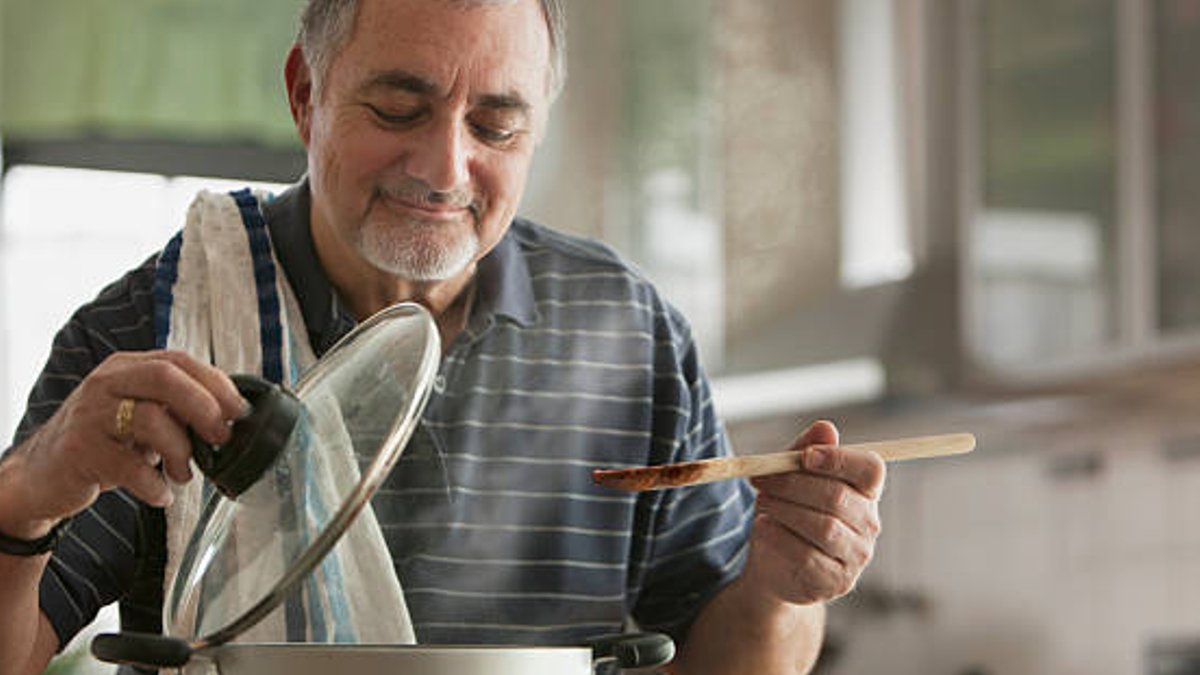
Research and anecdotal evidence point to a range of emotional benefits of cooking that go beyond simply feeding a household.
How cooking supports mental health
Therapists have begun to recommend classes for patients dealing with depression, anxiety, eating disorders, ADHD and addiction, according to the outlet. Counselors note that following a recipe can relieve stress, curb negative thoughts and build self‑esteem by giving participants a clear, achievable goal.
Psychologists describe the practice as a form of “behavioral activation,” a therapeutic approach that encourages goal‑oriented activity to lift mood. By focusing on steps such as measuring, stirring and timing, individuals gain a sense of control that may be missing in other areas of life.
One participant in a recent study said the activity eliminates the harmful psychological effects of constantly watching television or scrolling on a phone. The exercise forces attention away from screens and toward tangible outcomes, which the study linked to improved emotional well‑being.
Related: Top 10 Health Benefits of Using a Stepper
Beyond stress relief, the process can act like a meditation. Planning a meal, adjusting seasonings and monitoring cooking times occupies the mind in a way that resembles mindful practice. The outlet highlighted that this routine is “essential for self‑care,” describing it as a calm, creative practice that prevents the mind from ruminating on worries.
Social connection and personal growth through food
Preparing meals for others often strengthens bonds with family, friends and community members. A review in a nutrition journal found that community programs boost socialization and reduce feelings of isolation. A 2022 study of a seven‑week adult program reported increased confidence and better general and mental health among participants.
The activity also offers a tangible sense of achievement. When a dish turns out as intended, individuals report higher self‑esteem and pride. Learning to prepare meals provides a valuable life skill, granting people greater autonomy over their nutrition and dietary choices.
Traditional recipes can evoke memories of past gatherings, reinforcing cultural identity and emotional ties. The nostalgic aspect of recreating family dishes offers comfort during periods of stress or change.
Related: Stay healthy with these August tips
For many, the act serves as a bridge between personal well‑being and communal responsibility. By sharing food, people often feel more valuable, as they contribute something tangible to the lives of others.
In practice, the benefits are most apparent when newcomers start with simple recipes. Mastering basic noodles, pancakes or cookies can quickly boost confidence, while cooking mindfully—focusing intently on each step—enhances the therapeutic effect. Inviting others to join in the kitchen further amplifies social connection, though even solitary preparation can reinforce self‑worth.
Overall, the emotional benefits are substantial, influencing both psychological and physical health.

Top 10 Health Benefits of Using a Stepper


