Factory Workers Guide to Essential Safety Tips
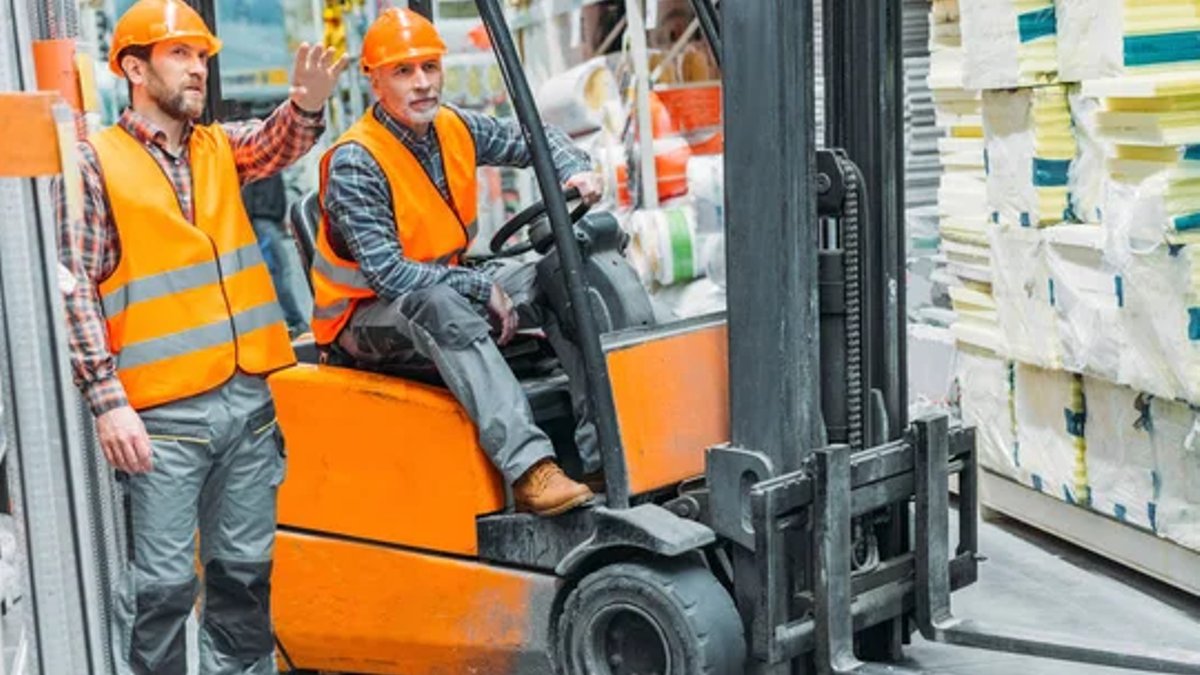
Factory work remains one of the most hazardous occupations in the United States, often exposing employees to pollution, heavy machinery, and high levels of physical stress. Common injuries include sprains, strains, and back problems, while environmental hazards can lead to long-term health issues. To mitigate these risks, manufacturers must prioritize safety protocols, and individual workers play a critical role in maintaining a secure environment through proper training and vigilance.
Protective Gear and Equipment Handling
Personal Protective Equipment (PPE) serves as the first line of defense against industrial pollution and machinery accidents. Workers must ensure their gear is in good condition, covering everything from head to toe. Beyond PPE, familiarity with equipment is essential. Attempting to operate complex machinery without training invites accidents, and custom forge operations require strict adherence to handling guidelines. When issues arise that exceed a worker’s knowledge, they should immediately alert a skilled professional rather than improvising.
Electrical safety is another critical concern. Open electrical areas must remain clear of materials to prevent fires or electrocution. Workers should never handle live wires or exposed appliances with bare hands, particularly near flammable substances. Keeping these zones secure requires constant attention to the surrounding environment and a commitment to using tools for their intended purposes only.
Related: India Leads in Implant Dentistry Advances
Environmental Awareness and Maintenance
Physical safety depends heavily on the condition of the workspace itself. Regular maintenance checks help identify faulty equipment before it causes harm, while a clean environment reduces the risk of slips and respiratory issues. Debris and dust accumulation can lead to chronic health problems, so keeping work areas clear of obstruction is vital. Emergency exits must remain accessible at all times to facilitate a safe escape during an accident.
Operating heavy equipment like forklifts or cranes demands heightened situational awareness. Workers should constantly scan their surroundings, especially when transporting heavy loads. Fatigue poses a silent hazard; when energy levels drop, reaction times slow, increasing the likelihood of errors. Taking regular breaks to stretch and hydrate helps maintain concentration and physical readiness throughout a shift.
Maintaining good hygiene and understanding chemical safety protocols are equally important for long-term health. Factories often use hazardous chemicals that require reading Material Safety Data Sheets (MSDS) and using appropriate masks or gloves. Simple habits, such as washing hands before eating or using hand sanitizer, prevent the spread of illness and keep the workforce productive. By adhering to these guidelines, workers protect themselves and ensure they can continue to perform their essential duties safely.

India Leads in Implant Dentistry Advances


