Expert Guide to Styling Hair Without Damage
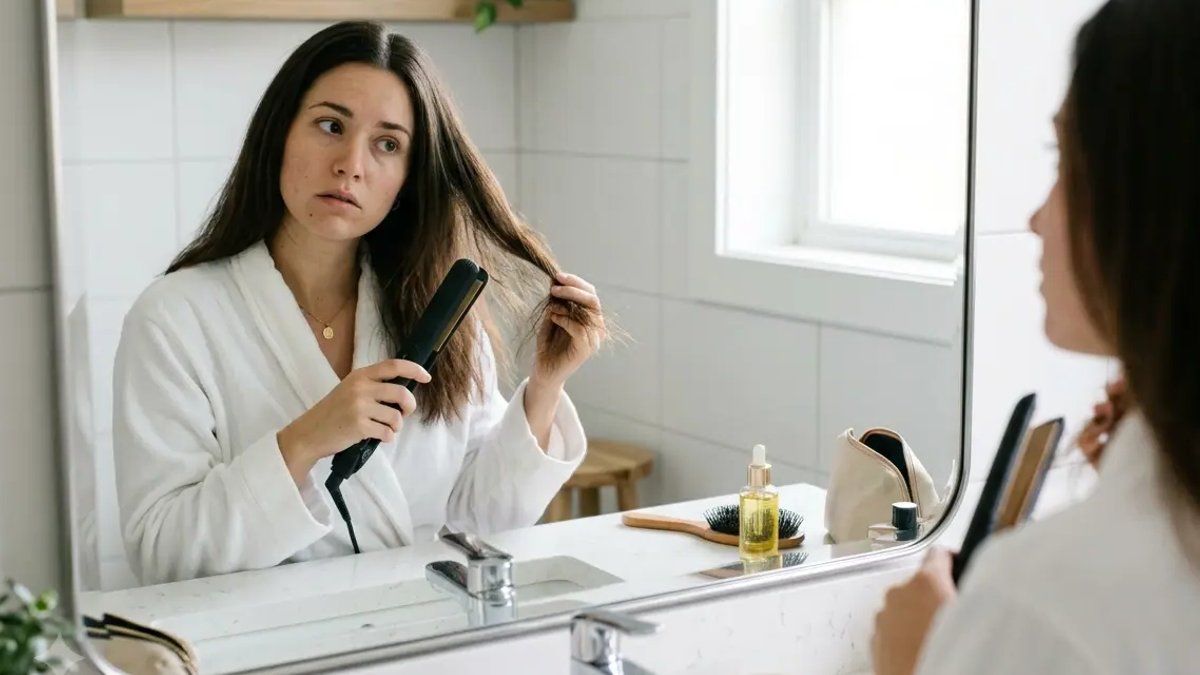
Hair styling is an important part of many people’s daily routines. Whether preparing for work, a special event, or simply maintaining a polished appearance, styling can help boost confidence and enhance personal style. However, frequent use of heat, chemical treatments, and improper styling habits can gradually weaken hair, leading to dryness, breakage, and dullness.
The good news? Beautiful styles and healthy hair aren’t mutually exclusive. The right techniques and products make both possible at the same time. The key is understanding where the real damage comes from, and that’s not always where you think.
Related: Making Sleep Safer for Loved Ones with Complex Needs
What Does a Healthy Hair Care Routine Actually Look Like?
Healthy styling begins with healthy hair. No matter how skilled you are at creating different looks, damaged hair is often difficult to manage and style effectively. Establishing a strong hair care routine can significantly improve both the appearance and resilience of your hair. Choose a shampoo and conditioner that are appropriate for your hair type. Individuals with dry hair may benefit from moisturizing formulas, while those with fine or oily hair often prefer lightweight products. Deep conditioning treatments can provide additional nourishment and help restore moisture lost through styling. Regular trims matter more than most people realize. Split ends don’t just stay at the tip, they travel up the hair shaft and cause breakage further and further from the end. Trimming every eight to twelve weeks prevents that progression and keeps your hair looking fuller and healthier. Diet plays a role too. Nutrients like biotin, iron, zinc, and vitamins D and E directly support hair structure and growth from the follicle. No topical product compensates for a nutritional gap at the root level.
Why Does the Same Hair Advice Work for Some People and Wreck Others’ Hair?
Standard hair advice fails a large percentage of readers because it ignores the most important variable: your hair’s porosity. Porosity determines how your hair absorbs and retains moisture, and it makes identical products and techniques produce opposite results on different people. Low-porosity hair has tightly closed cuticles. Products sit on the surface rather than being absorbed. Moisture takes longer to enter but stays longer once it’s in. High-porosity hair has raised or damaged cuticles that absorb quickly and lose moisture just as fast. Medium-porosity hair is the closest thing to “average”, and it’s less common than most articles assume.
Related: Essential dental tips before you go on vacation
The Protein-Moisture Balance Problem
Both protein and moisture are essential for healthy hair. But too much of either causes real damage, and the symptoms look almost identical to deficiency, which is why people keep adding more of the wrong thing. Protein overload makes hair stiff, snappy, and brittle. It breaks into short pieces when handled. Moisture overload, called hygral fatigue, makes hair mushy, stretchy, and unable to hold a style. If your hair feels worse after adding more conditioner, hygral fatigue is the likely culprit. If it feels worse after a protein treatment, you’ve oversaturated on protein. The fix for each is the opposite of what instinct suggests.
Porosity Changes How You Should Deep Condition
High-porosity hair benefits from frequent deep conditioning, it absorbs moisture readily but loses it fast, so regular replenishment makes a visible difference. Low-porosity hair is a different story. Long conditioning sessions on low-porosity hair largely sit on the surface, doing nothing useful. Worse, they accelerate product buildup that blocks future treatments from penetrating. Low-porosity hair responds better to heat during conditioning, a warm towel wrap or hooded dryer gently lifts the cuticle enough for moisture to enter. Without that step, the same deep conditioner that transforms high-porosity hair leaves low-porosity hair coated and weighed down.
Related: Dental Implants Costs Risks and Long-Term Care
The Scalp-Versus-Length Disconnect
An oily scalp with dry ends is one of the most common hair conditions. The advice fo

Making Sleep Safer for Loved Ones with Complex Needs


