India Leads in Implant Dentistry Advances
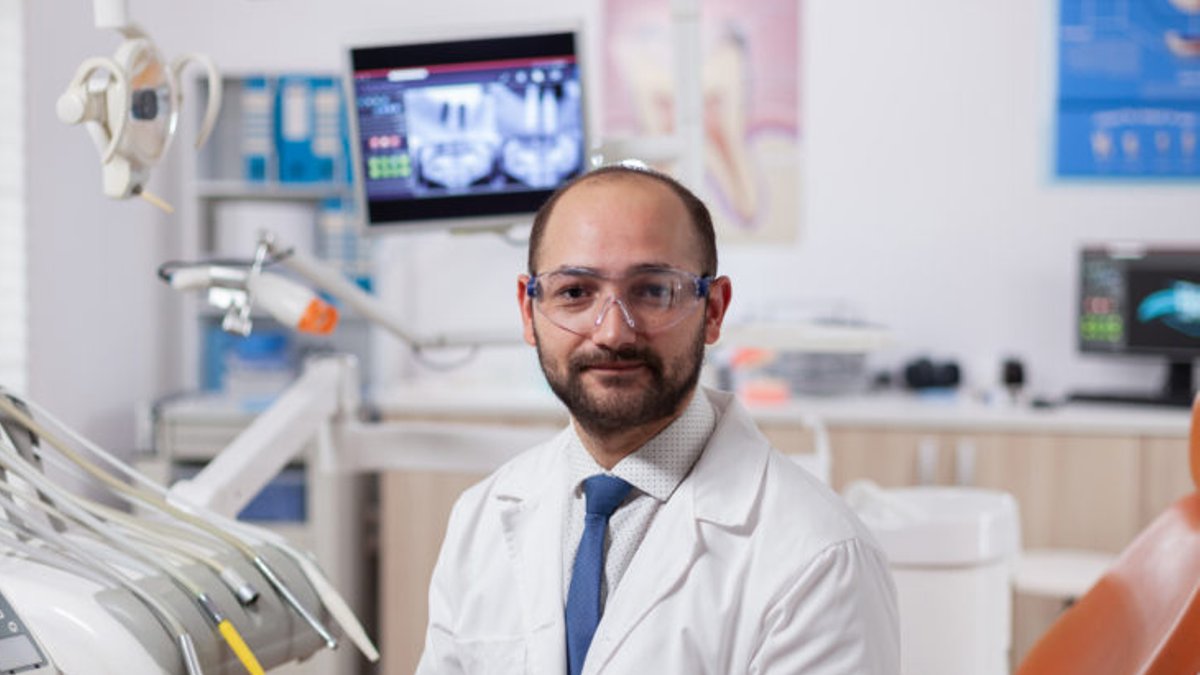
Dental implantologists in India are increasingly attracting patients from across the globe, offering a blend of cost efficiency and advanced clinical care that rivals traditional centers in Europe and North America.
Growth of the Indian Implant Market
The Indian dental implant sector has expanded markedly over the last ten years, driven by heightened awareness of tooth‑replacement options and the adoption of digital technologies. Titanium implants remain the dominant choice because of their strength and compatibility with bone, and success rates above 95 % are routinely reported when procedures follow thorough planning and maintenance protocols.
International visitors—from the United States, the United Kingdom, the Middle East, Africa, Australia, and Southeast Asia—are drawn by savings that range from 30 % to 70 % compared with treatment costs in many Western nations. The appeal goes beyond price; patients cite the adherence to globally accepted clinical standards as a decisive factor.
Specialist Training and Digital Innovation
India’s shift toward implantology as a dedicated specialty marks a key development. Clinicians now often complete fellowships and obtain certifications that focus on implant surgery, bone regeneration, and full‑mouth rehabilitation, rather than treating implants as a peripheral service.
Related: Tampa Guides Choosing Top Facial Plastic Surgeon for Facelift
Dr. Shailaja Reddy, chief implantologist at FMS Dental Hospitals in Hyderabad, illustrates this trend. With more than twenty years in the field and training abroad in bone grafting and full implant rehabilitation, she has mentored numerous dentists and highlights the importance of sustained professional development over brief certification courses.
The integration of Cone Beam Computed Tomography (CBCT), intraoral scanners, and planning software enables practitioners to visualize jawbone anatomy in three dimensions and virtually position implants before entering the operating room. Computer‑guided surgery translates these plans into precise actions, reducing tissue trauma and speeding recovery. CAD/CAM processes then fabricate crowns and bridges with high accuracy, cutting the time required for conventional laboratory work.
These digital advances translate into shorter appointments, less postoperative discomfort, and restorations that closely mimic natural teeth in both look and function.
From a broader perspective, the rise of such technology reflects a global shift toward data‑driven dentistry, where the emphasis on measurable outcomes aligns with patients’ desire for predictable, long‑lasting solutions. While the tools are sophisticated, the core principle remains simple: meticulous planning and execution lead to better health results.
Multidisciplinary Care and Value Proposition
Leading Indian implant centers frequently adopt a multidisciplinary model, bringing together implantologists, prosthodontists, periodontists, oral surgeons, orthodontists, and restorative dentists. This collaborative approach addresses not only the missing tooth but also bone health, gum condition, bite function, and aesthetic goals, thereby enhancing the likelihood of durable outcomes.
Related: Camping Has Lasting Emotional Health Benefits
Choosing an implantologist now hinges more on the practitioner’s experience, diagnostic thoroughness, and ability to coordinate across specialties than on the brand of the implant system itself. Most clinics employ internationally recognized implant products that have accumulated decades of clinical evidence, yet they deliver these services at a fraction of the cost found in many Western markets.
Challenges persist, including limited dental insurance coverage, reliance on imported implant components, and the need for consistent quality oversight. Nevertheless, continued investment in specialist education, research, and cutting‑edge equipment is reinforcing India’s standing as a global leader in the field.
Future Directions and Patient Impact
Emerging technologies such as artificial‑intelligence‑assisted diagnostics, dynamic navigation, robotic assistance, and 3D printing are poised to further refine implant procedures. These innovations promise greater precision, efficiency, and personalization, potentially setting new benchmarks for the industry worldwide.
In sum, India’s dental implantologists are delivering more than tooth replacement; they are restoring oral function, confidence, and quality of life through carefully orchestrated, evidence‑based treatment plans. For patients seeking reliable, long‑term solutions, the country now stands as a destination where expertise, technology, and patient‑focused care converge to produce outstanding results.

Tampa Guides Choosing Top Facial Plastic Surgeon for Facelift


