Key Facts on Eczema Revealed for Readers
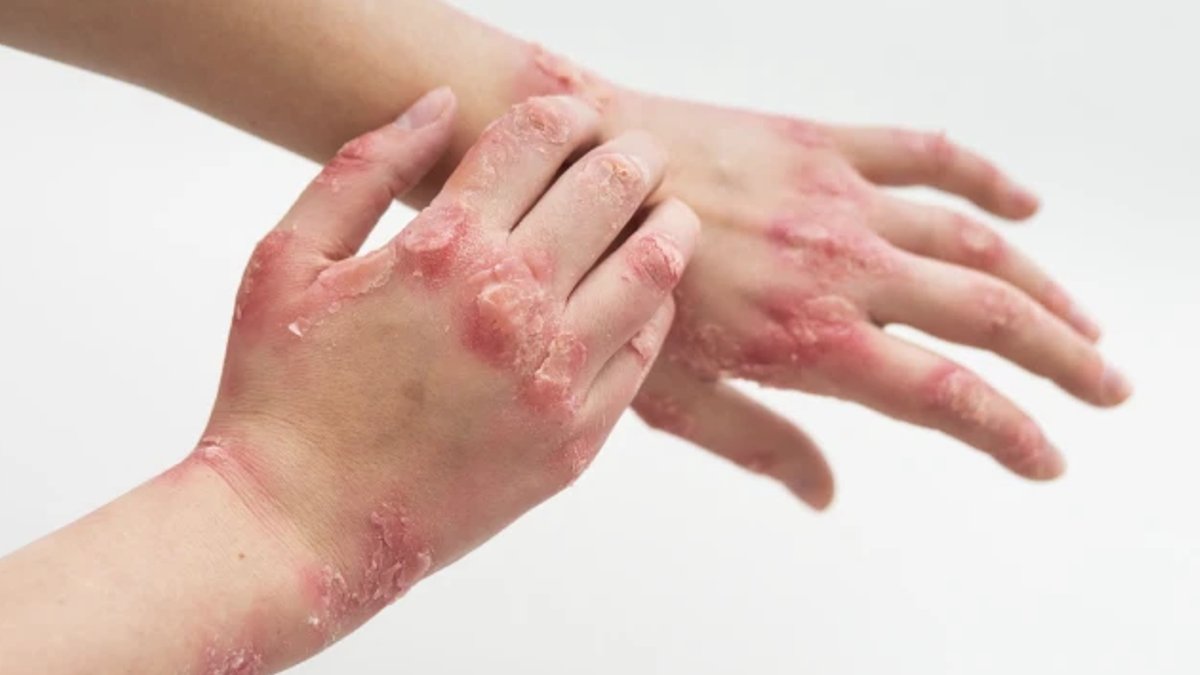
Eczema affects millions of people of all ages, yet many still mistake its symptoms for simple irritation or dry skin.
What eczema really looks… etc.
The condition is not limited to rough patches. It stems from a compromised skin barrier that lets irritants, allergens and environmental factors penetrate more easily. Typical signs include red patches, flaking or cracking skin, a burning sensation and thickened areas that result from repeated rubbing or scratching. Severity varies widely from one person to another.
Both children and adults can develop eczema. While it often appears in infants, many individuals first experience outbreaks later in life, especially on the hands, elbows, back of the neck and knees. Triggers such as stress, harsh chemicals, or seasonal changes may provoke a flare at any age.
Different forms of the disease
Medical professionals recognize several distinct types. Atopic dermatitis is the most common and often co‑exists with asthma or hay fever. Contact dermatitis results from exposure to soaps, fragrances, detergents or metals. Dyshidrotic eczema produces blisters, chiefly on the hands and feet. Seborrheic eczema appears in oily areas of the face, while nummular eczema shows up as coin‑shaped red spots. Diagnosis typically involves a dermatologist’s evaluation.
Intense itching is a hallmark of eczema, and many patients find it hard to resist the urge to scratch. While scratching may provide temporary relief, it usually worsens irritation and creates a self‑reinforcing itch‑scratch cycle. This can lead to skin damage and increase the risk of infection.
Related: Normal Hair Loss Occurs Daily
Flare‑ups can be triggered by a wide range of factors. Common culprits include skin‑care products with harsh ingredients, certain fabrics like wool, and even emotional stress. Keeping a diary of exposures and symptoms can help individuals identify personal triggers and avoid them when possible.
Moisturizing remains one of the simplest yet most effective ways to manage eczema. Because the disease compromises the skin’s ability to retain moisture, thick ointments and creams are generally more beneficial than light lotions. Consistent hydration helps restore the barrier function and reduces the frequency of flares. Self‑care routine adjustments are essential for lasting improvement.
Stress is another frequently reported aggravator. Psychological tension can provoke systemic inflammation, which in turn irritates both nerves and skin. People who experience heightened stress often notice a worsening of their eczema, creating a feedback loop where the condition itself becomes a source of anxiety.
Understanding the underlying mechanisms of eczema helps explain why simple skin‑care adjustments are not enough for many sufferers. The condition’s link to immune function and genetics means that full management often requires both topical treatments and lifestyle changes.
Patients benefit from regular follow‑up appointments.


