Dental Implants Costs Risks and Long-Term Care
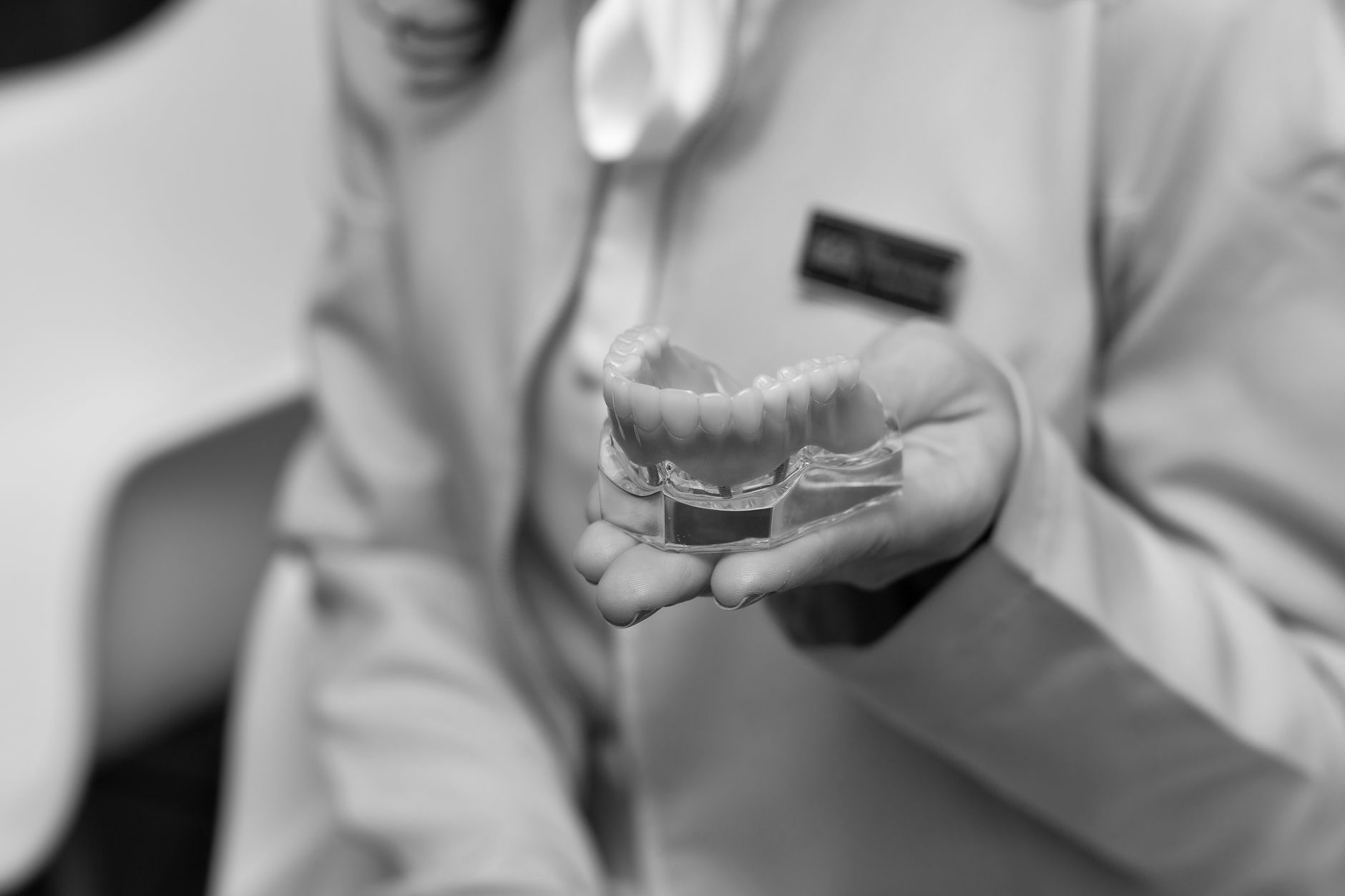
Dental implants have become a common option for people who have lost teeth, offering a permanent solution that restores both function and appearance.
How Implants Work and What Affects Their Success
Implants are titanium posts that are surgically placed into the jawbone, where they fuse with the surrounding bone through a process called osseointegration. This creates a stable anchor for a crown, bridge or denture that looks and feels like a natural tooth.
The success rate is high: about 96.8% at five years and 92.8% at ten years. Yet the numbers hide a set of risk factors that can be identified before surgery.
Smoking is the most significant modifiable risk. A meta‑analysis of more than 150,000 implants found that smokers face roughly a 140% higher chance of failure because nicotine reduces blood flow to the jaw. Diabetes, when well controlled, does not appear to raise the failure rate, according to a review of over 40,000 cases. Other concerns include poor bone quality, existing gum disease, prior radiotherapy and the surgeon’s technique. Because these variables can be screened for, a thorough pre‑treatment evaluation is essential.
Related: Transcranial Magnetic Stimulation (TMS) – an Overview
Costs Beyond the Implant Itself
Many people assume a single implant costs between $3,000 and $6,000, but that figure often excludes hidden expenses such as bone grafting, which is a common add‑on and can vary widely in cost depending on the graft type and complexity.
Insurance coverage varies widely; most plans treat the implant post as cosmetic and do not cover it, while bone grafts may receive partial reimbursement if deemed medically necessary. For patients missing multiple teeth, full‑arch options like All‑on‑4 range from $24,000 to $50,000, which reduces the per‑tooth cost despite a higher upfront price. Asking dentists for an itemized quote can prevent surprise charges later.
Impact on Daily Life and Long‑Term Care
Tooth loss affects more than chewing. Roughly 178 million Americans experience missing teeth, leading to dietary restrictions, speech changes and reduced self‑esteem. Implants restore about 80‑90% of original bite force, allowing patients to enjoy foods such as apples, corn on the cob and steak without fear of the prosthetic shifting.
The aesthetic benefit is often noted first. Modern crowns use advanced ceramics that mimic enamel translucency and surface texture, making it difficult for friends or colleagues to tell the difference. By preserving jawbone density, implants also prevent the facial collapse that can make a person appear prematurely aged.
Related: Revitalize Your Pearly Whites and Flash an Eccentric Smile with Dental Fillings
From a broader perspective, the appeal of dental implants lies in their ability to address both functional deficits and the psychological burden of tooth loss. When a person regains a full, natural‑looking smile, confidence tends to improve, which can influence social interactions and professional opportunities. This dual impact helps explain why the procedure continues to grow in popularity despite the cost and maintenance requirements.
Long‑term maintenance remains key. Bleeding while flossing around an implant can signal early mucositis, a condition that is easier to treat before bone loss occurs. Even patients who adhere to a strict hygiene routine are not immune; a long‑term study found peri‑implant disease in a substantial proportion of cases among those with a history of moderate‑to‑severe gum disease.
Common Myths and What Patients Should Know
Many misconceptions circulate. Some believe implants are permanent and require no upkeep. While the titanium post itself cannot develop cavities, the surrounding gum and bone can suffer disease, and peri‑implantitis rates can be higher in certain groups. Another myth holds that diabetes disqualifies candidates. Evidence shows well‑controlled diabetes does not significantly raise failure risk, though uncontrolled blood sugar does warrant caution.
Patients sometimes think a low initial quote guarantees a good deal. In reality, a low base price often omits essential components such as the abutment, crown, anesthesia or grafting, leading to higher final costs. Finally, the idea that problems disappear after the first year is misleading; implants in place for five years or more actually carry a higher risk of peri‑implant disease, emphasizing the need for ongoing vigilance.
Related: Digital Impressions: Say Goodbye to Uncomfortable Putty Impressions
What to Expect When Considering an Implant
Anyone exploring dental implants should start by discussing their medical history, smoking habits and bone health with a qualified oral surgeon. If bone grafting is required, the treatment timeline can extend to a year, as healing may take three to nine months before the implant can be placed. After surgery, the patient will need regular visits for professional cleaning and monitoring.
For more detailed information on the procedure, the Wikipedia entry on dental implants provides a solid overview of the science and materials involved.
Choose wisely and enjoy lasting smiles.

Transcranial Magnetic Stimulation (TMS) - an Overview


