Try these easy detox bath recipes
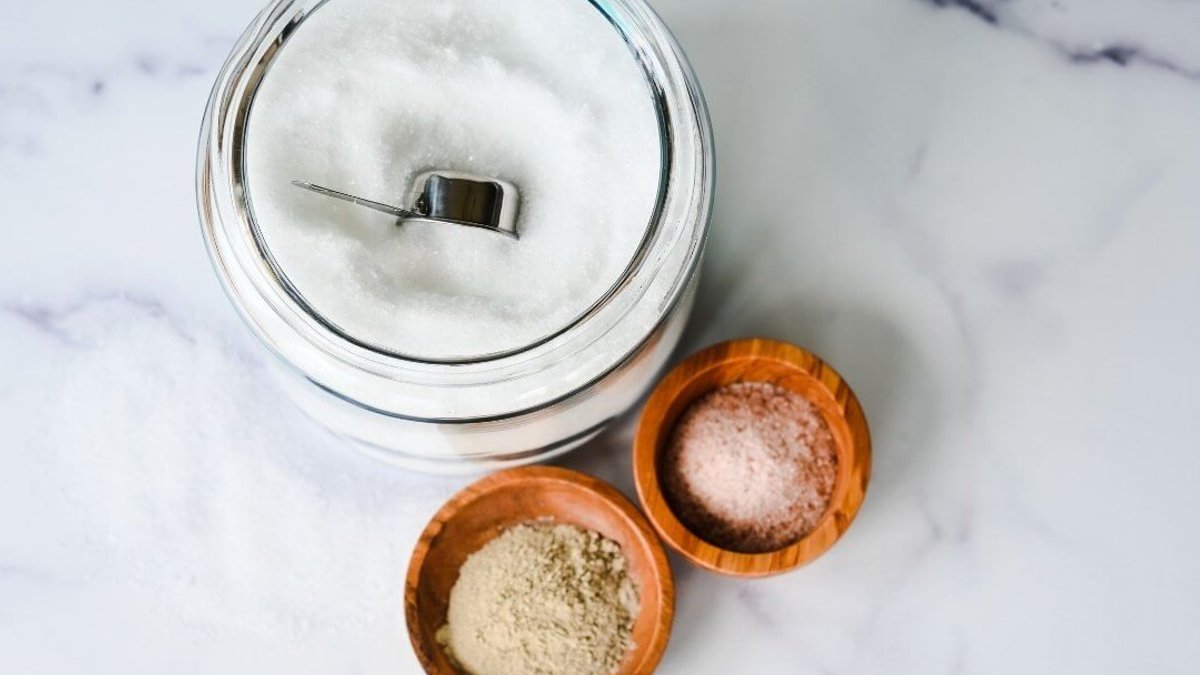
A warm bath with natural additives may help the body remove waste, though medical experts note that the idea of “detox baths” has limited scientific support. Many people still find these soaks relaxing and say they ease skin irritation temporarily when using Epsom salts, clay, or other common ingredients.
The concept relies on minerals and compounds that might assist circulation or draw out impurities through the skin. Epsom salt, often used in these baths, contains magnesium sulfate, which some believe can be absorbed to restore low magnesium levels. Other recipes include bentonite clay, thought to bind to heavy metals, or apple cider vinegar, which may help normalize skin pH.
Most ingredients are already found in kitchens. Baking soda and mustard powder are also common additions, sometimes mixed with essential oils for fragrance. The recipes cost little, and some parents use them for children, though doctors advise consulting a physician first, particularly for pregnant or nursing individuals or those with health conditions.
Five common recipes
The simplest version begins with Epsom salt. A standard mixture includes:
- 2 cups hot water
- ¼ cup sea salt or Himalayan salt
- ¼ cup Epsom salt
- ¼ cup baking soda
- ⅓ cup apple cider vinegar
- 10 drops essential oil (optional, such as lavender)
The salts and baking soda dissolve in hot water before being added to the bath. Apple cider vinegar and essential oils are poured in last. Soaking for 20 to 30 minutes is typical, though some stay longer. Afterward, fatigue or dizziness may occur, so it’s best not to take these baths alone or before driving.
Another option involves bentonite clay. The clay mixes with water to form a paste, which can be applied directly to the skin before soaking. Since clay can clog drains, a filter is useful.
Related: How Can You Aid in The Effectiveness of Jungian Psychoanalysis?
No evidence proves these methods remove toxins in a medical sense. The body already relies on the liver, kidneys, and skin for waste removal, and baths do not significantly improve that process. Some users still find them calming, and the magnesium in Epsom salts may help muscles relax slightly. The warm water itself can aid circulation, which might support the body’s natural functions.
If tap water contains chlorine or fluoride, some recipes suggest adding bentonite clay to absorb those chemicals. A bathtub filter can also reduce exposure. Essential oils require caution, as some, like mint or cinnamon, may irritate skin or mucous membranes.
Those interested should start with shorter soaks. Increasing ingredient amounts is not recommended, as it could raise the risk of dizziness or skin reactions. While generally safe, these baths are not a replacement for medical care. People with chronic conditions should speak to a doctor before trying them.
Some supporters claim the baths help with eczema or fatigue, but effects are usually temporary and personal. The main benefit may lie in the routine—a quiet, screen-free pause in a hectic day. Whether the ingredients do more remains uncertain.
For a different take on homemade remedies, natural ingredients can also enhance everyday treats.

Homemade Marshmallows Elevate Classic Treat


