Nurse Helps Patient Survive Myeloma CAR-T Therapy
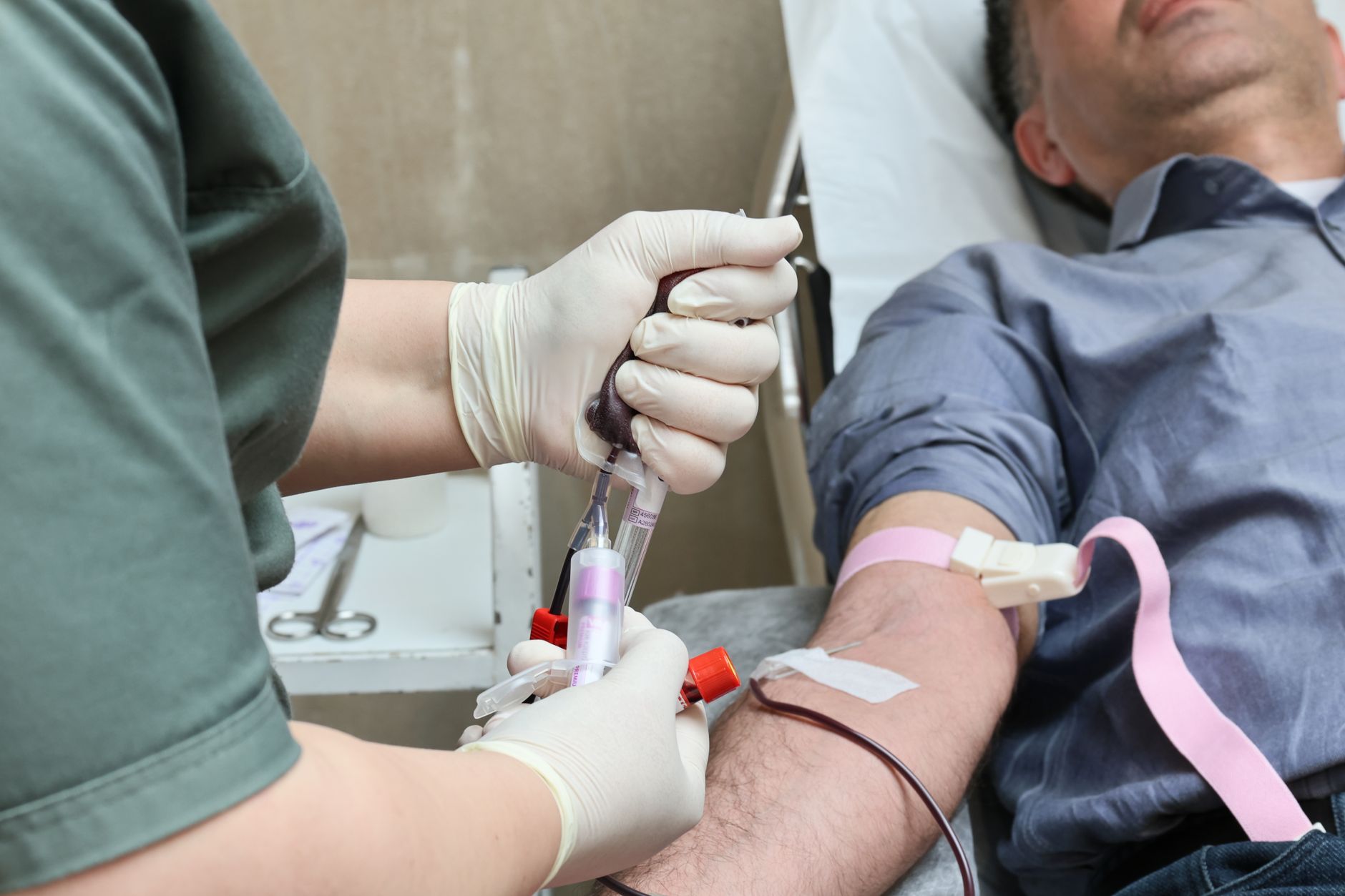
Multiple myeloma treatment often feels like handling a maze, but for one patient, the journey was guided by a dedicated case manager who provided stability during a chaotic time. The patient nominated Jennifer Schmidt, a nurse at the Fred & Pamela Buffett Cancer Center, for her consistent support throughout the CAR-T cell therapy process. Schmidt served as the primary point of contact from the initial diagnosis in May 2024 until the 100-day post-treatment follow-up in February 2025. She maintained this vital role during a period marked by significant medical shifts, ensuring the patient remained informed and emotionally secure despite the overwhelming nature of a cancer diagnosis.
Coordinating Care and Managing Insurance
Schmidt handled the logistical burden of the patient’s treatment, managing all appointment schedules and attending medical visits to ensure the patient understood complex medical information. When the original treatment plan of a stem cell transplant was altered to CAR-T cell therapy, the nurse helped the patient process the shift in care. She also advocated on the patient’s behalf when insurance initially denied coverage for the specialized treatment. By serving as a consistent presence during these changes, she helped alleviate the anxiety associated with altering a previously established medical plan.
Patients facing unexpected diagnoses often report feeling like a number in a system designed for efficiency rather than empathy. In Schmidt’s case, the standard medical approach was supplemented with a personal connection that went beyond clinical duties. The nurse made it a priority to address the patient’s emotional state, recognizing that fear was a significant part of the diagnosis. By staying in the room after doctors left to answer lingering questions, she ensured the patient left feeling informed and secure. This approach transformed the clinical setting into a supportive environment where the patient felt seen as a human being rather than a medical statistic.
Handling Complications and Ongoing Support
The patient experienced multiple complications after the initial hospitalization for CAR-T therapy, requiring two additional admissions. During these difficult weeks, Schmidt remained the first call for any concerns, returning messages quickly to provide reassurance. The patient noted that this reliability allowed them to focus on recovery rather than worrying about their care. The ability to reach a trusted professional at any hour provided a safety net that was essential during the vulnerable period following the procedure.
Support for cancer patients often extends well past the clinical discharge date. Despite not being the primary case manager after the 100-day check-up, Schmidt attended the one-year follow-up appointment in October 2025 to celebrate the patient’s progress. The gesture was significant enough to prompt a holiday greeting card, highlighting the lasting impact of the relationship established during treatment. This continued engagement demonstrated a deep commitment to the patient’s well-being long after the formal duties of her position had concluded.

Cancer Care for Kids Improves Greatly


