Travel neck pillows boost health in surprising ways
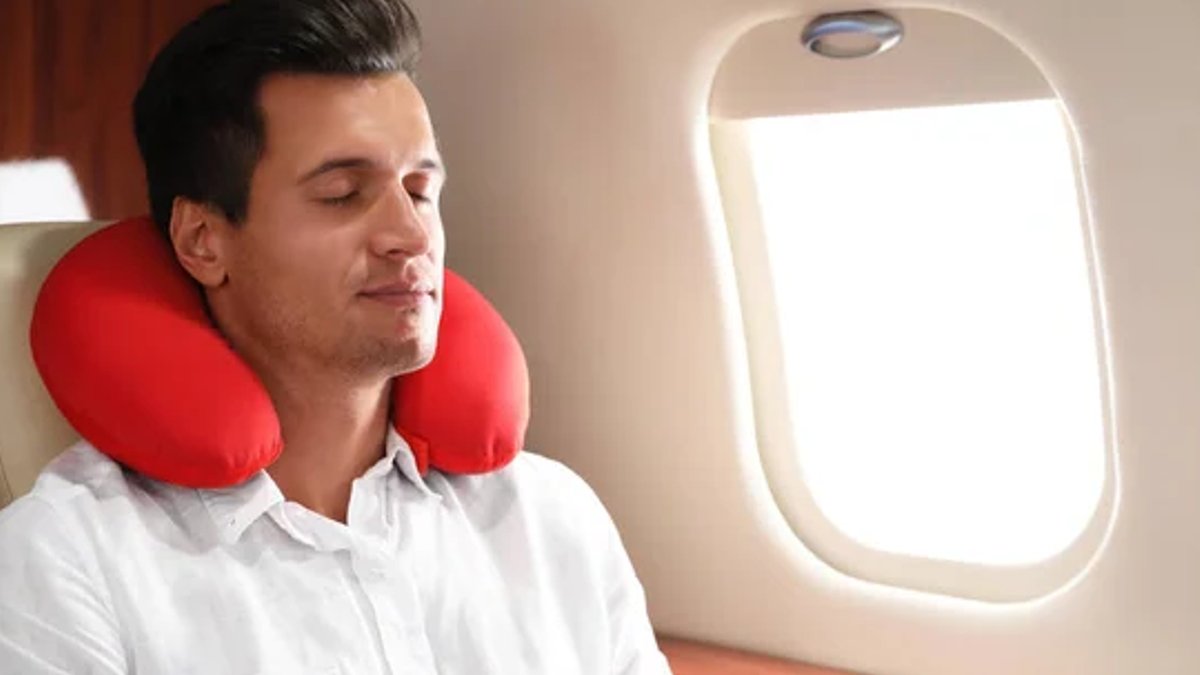
A travel neck pillow can make long trips by plane, train, or car more comfortable. It also provides health benefits that many travelers miss.
Better sleep on the go
Sleep matters for physical health, yet long flights and train rides often disrupt it. Economy seats offer little room to stretch, and the upright position strains the neck and back. A travel pillow supports the head and neck, easing pressure points that cause discomfort. One study found that these pillows improved sleep quality and reduced neck pain for travelers.
Without proper support, the head tilts forward or sideways, leading to stiffness. The right pillow keeps the spine aligned, making it easier to fall asleep even in tight spaces.
Less back and neck pain
Sitting for hours in one position commonly causes back pain. Airline seats, in particular, lack lumbar support, forcing the body into an unnatural posture. A travel pillow helps maintain a straighter spine by cushioning the neck and preventing slouching.
The soft material absorbs pressure that builds during long trips. For those prone to stiffness, it can mean arriving refreshed instead of sore.
Fewer headaches and dryness
Airplane cabins have poor ventilation and low humidity. This combination can trigger headaches. A travel pillow reduces direct contact with the seat, limiting exposure to recirculated air.
Some pillows use breathable fabrics to help control temperature. This can ease tension headaches caused by sitting uncomfortably for long periods.
Related: Revitalize Your Pearly Whites and Flash an Eccentric Smile with Dental Fillings
Traveling by plane means spending hours in cramped spaces. Air conditioning units can dry out hair. To prevent this, use a travel pillow to keep your hair hydrated.
Improved posture and focus
Slouching strains the neck and shoulders, harming posture. A travel pillow encourages an upright position, which reduces fatigue. Better posture also helps concentration, whether working on a laptop or reading.
The added support can prevent sluggishness for those who need to stay productive during travel.
Reduced snoring and sleep apnea
Snoring and sleep apnea worsen when the head tilts forward, blocking the airway. A travel neck pillow keeps the neck straight, preventing obstruction. This leads to quieter, more restful sleep for both the traveler and others nearby.
The best pillows position the head at a slight angle, keeping the airway open without straining the neck.
Travel often brings stress, but small comforts help. A travel pillow won’t fix delays or crowded spaces, but it can reduce physical strain on long trips. Choosing one that’s soft, supportive, and easy to clean matters most for frequent travelers.
Most pillows fold small enough for a carry-on. For those who spend hours in transit, it’s a simple way to avoid discomfort and arrive feeling better.

Many Self-Care Routines Falter Before Starting


