How table tennis boosts your mood
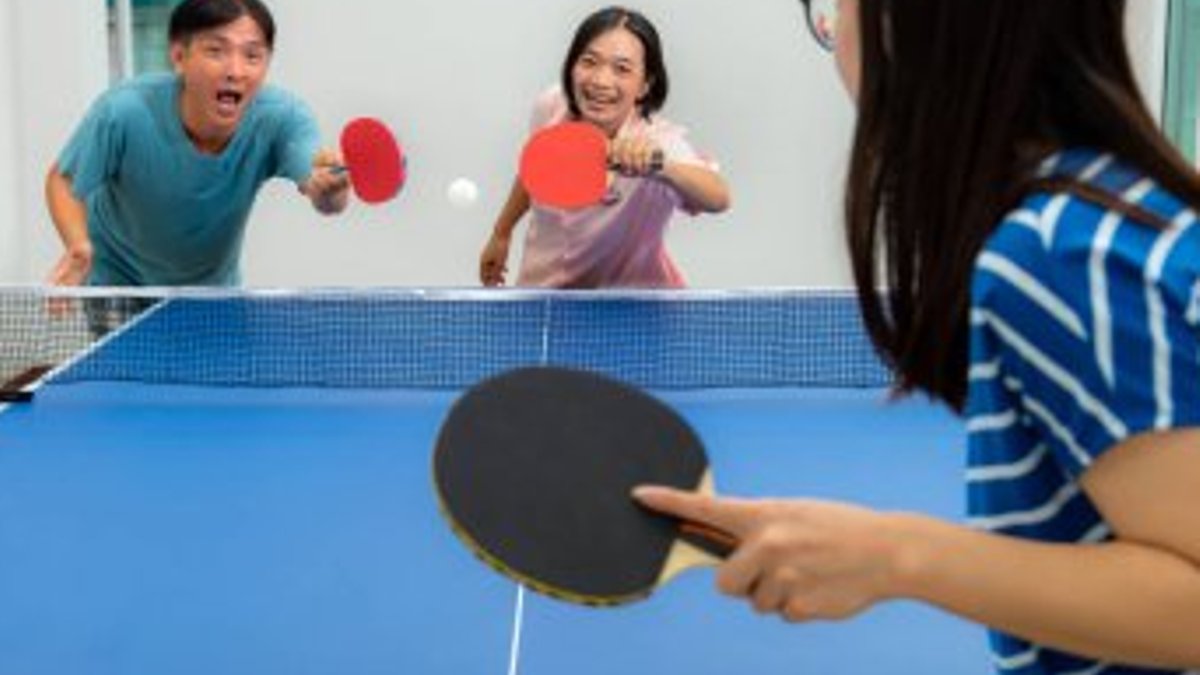
Table tennis serves as more than a fast-paced indoor sport. It also functions as a quiet emotional regulator for many players, offering benefits that go beyond physical exercise.
How the game sharpens the mind
The sport requires rapid decision-making—reading spin, predicting trajectories, and adjusting footwork. These mental challenges carry over into daily life. Players often notice better focus during work meetings, quicker recall of names, and less tendency to dwell on minor frustrations.
Neuroscientist Daniel G. Amen has described it as the “world’s best brain sport,” pointing out that it activates multiple brain regions at once. Frequent players typically show increased activity in the prefrontal and medial temporal cortexes, areas linked to memory and planning. The benefits extend beyond research; clearer thinking can reduce the irritation of forgetfulness and the anxiety that sometimes follows.
One surprising outcome is the way the game builds resilience. A missed shot or lost match becomes a low-pressure lesson in persistence. Players develop the ability to move past mistakes quickly, a skill that helps in handling workplace feedback or personal setbacks with less emotional strain.
Related: Meatballs Pair Well with These Foods
Stress relief without the gym
The game’s pace—short bursts of concentration followed by brief breaks—creates a natural flow. Physical effort releases endorphins, while mental engagement provides a distraction from daily pressures. Many players see the table as a temporary escape, where only the next serve matters.
Social interaction also contributes to its appeal. Matches often take place in clubs, community centers, or shared workspaces, encouraging light conversation and camaraderie. These moments can ease loneliness, particularly for older adults or remote workers. The sport’s simplicity—no costly equipment or large space required—makes it easy to start, lowering the barrier to regular social activity.
Confidence builds gradually. Improving a backhand or winning a close match offers clear evidence of progress. Unlike team sports where individual efforts may feel lost, table tennis provides direct feedback: the ball either lands as intended or it doesn’t. That clarity can be especially valuable for those who struggle with self-doubt in other parts of life.
The setup’s compact size allows play in any season. A basement, garage, or even a repurposed dining table can serve as a practice area. This convenience eliminates common excuses for skipping exercise, helping maintain a routine that supports emotional well-being.
Related: Staying Fit on the Night Shift
Not all players will experience identical benefits, as results depend on how often and intensely they play. For those who commit, the sport often becomes a dependable way to manage mood, improve focus, and strengthen connections—one rally at a time.
The ball can reach speeds of 93 miles per hour across a table just 9 feet long. Hitting it consistently demands reflexes most people rarely use. Over time, those reflexes can make everyday actions—like catching a falling object or reacting to a sudden sound—feel nearly automatic.
That small sense of control can be unexpectedly comforting in an unpredictable world.

Meatballs Pair Well with These Foods


