Former NFL Linebacker Chris Draft Aids Lung Patients
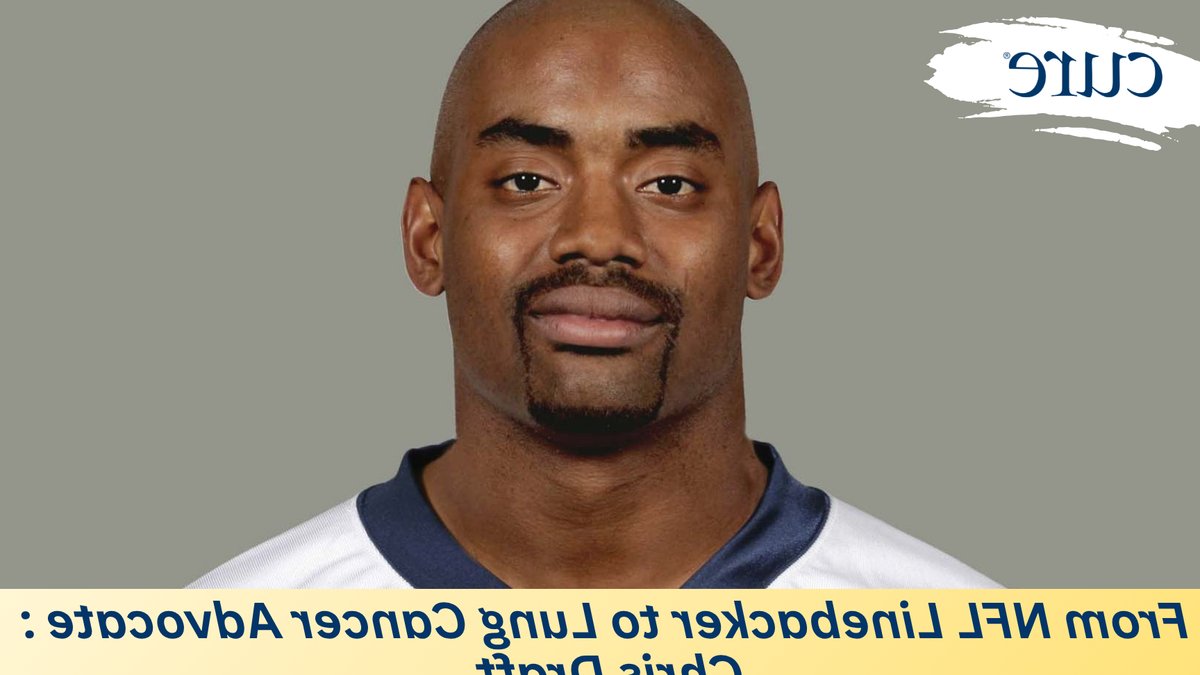
Chris Draft spent more than a decade on NFL fields, playing linebacker for several teams, before turning his public profile toward a very different battle.
Personal Tragedy Sparks Advocacy
In December 2010 his wife, Keasha Draft, received a diagnosis of stage 4 lung cancer at age 37. She was an active engineer who had danced with the Charlotte Hornets and was urging her husband to finish a P90X workout and run a 10K.
Shortness of breath led her to a primary‑care doctor, whose chest X‑ray showed a mass. A biopsy confirmed the unexpected finding.
“She was 37 years old. Amazing shape. Lung cancer,” Draft recalled.
The couple married on November 27, 2011, just weeks before she passed away on December 27, 2011. At the wedding she asked guests to donate to a foundation instead of giving traditional gifts, hoping to keep the fight alive.
“She was saying, ‘Baby, go get them,’” he said, noting that her request became a guiding principle for his work.
Advocacy Focuses on Access and Testing
After the loss, a major sports network approached him to share the story before a championship game. He considered whether his involvement could honor his wife, celebrate medical advances, and support those still fighting.
His answer to the third question shaped his public efforts. He began raising awareness, urging more studies, and pushing for broader access to care.
He points out that treatment options have changed dramatically since his wife’s diagnosis. Biomarker testing, targeted drugs and immunotherapy now play central roles.
Related: Best foods to boost your energy naturally
“We are not where we were when my wife was diagnosed,” he said, adding that the last decade and a half have brought an “explosion” of hope.
Patients today may receive therapies that simply did not exist a decade ago. Researchers have identified new molecular targets and expanded the role of immune‑based treatments.
Draft emphasizes the importance of biomarker testing.
He stresses that patients should not have to battle for the right test or for a referral to a clinical study. Access gaps—whether geographic, financial or informational—still prevent many from benefiting.
Research doesn’t just matter.
Research is working,” he said, emphasizing that progress is meaningless if it stays out of reach.
His current goal is simple: more people living longer, living better, and getting chances that were unavailable to his wife.
Through speaking engagements, fundraising drives and partnerships with medical groups, Draft continues to promote testing, trial enrollment and stigma reduction for the condition.

Therapies Score Wins for Small Cell Lung Cancer


