COVID’s hidden toll lingers in Canada’s healthcare gaps
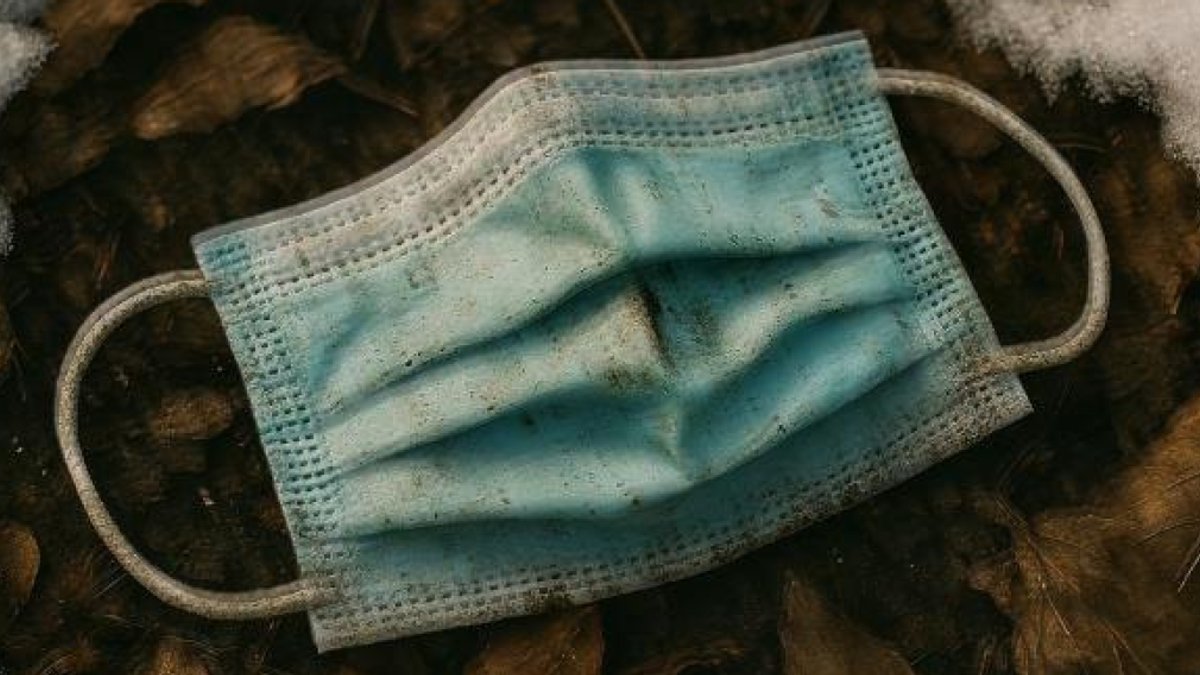
A person who shaved their head in 2023 captured the pandemic’s lingering effects as an unspoken reality, even as public focus shifted elsewhere. Their most recent COVID infection left them bedridden for months, proving the virus remains a persistent threat rather than a fading concern. A healthcare worker’s familiar advice—get vaccinated, wear masks in crowded places—proved ineffective in practice. The true danger, they observed, lies in unavoidable exposure: school drop-offs, grocery shopping, or simply being a woman, since studies confirm women face higher risks of developing Long COVID. By 2025, five years after the virus first appeared, public attitudes toward COVID had shifted from alarm to resignation.
About 3.5 million Canadians dealt with longer-term symptoms after a COVID infection. More than 2 million Canadians must cope with Long COVID in a climate where an estimated 6.5 million Canadians don’t have a primary care practitioner, a longstanding problem that’s only gotten worse over the pandemic. The frustration extends beyond personal hardship; it reflects systemic breakdowns. Schools, for example, improved ventilation during lockdowns, but only to a limited degree. The deeper issue, according to the writer, was pre-pandemic neglect: decades of underfunding left institutions unprepared for crises, a problem that remains unresolved.
The narrative that lockdowns caused widespread harm overlooks a starker reality: most Canadians supported public health measures, expecting governments to use the crisis as an opportunity to strengthen healthcare, long-term care, and education. That opportunity was not seized. Investigative reporting on Ontario’s school air quality efforts revealed makeshift solutions—not from a lack of intent, but because existing infrastructure was already weak. The core issue now is accountability.
Where are the inquiries into why systems failed? Why do financial safety nets remain absent for those recovering over months or years? Public health messaging evolved from reassurances like “don’t panic” and “you don’t have to worry, only those other people, who aren’t like you, do” to declarations that “it’s over, return to normal,” but for many, the experience was one of profound exhaustion.
Leaders underestimated the long-term impact of dismissing public health as an individual responsibility. The outcome supported a culture of skepticism, resentment, and helplessness, one that emboldened politicians to dismantle critical infrastructure, as seen in the U.S., where public health became a casualty of privatization and neglect. Canada risks following a similar path unless it confronts the pandemic’s unresolved realities: that public health is a collective duty, not a personal obligation, and that individual actions like masking or staying home sick are symptoms of broader systemic failures. The U.S. experience serves as a cautionary example.
When public health responsibilities fall solely on individuals, the consequences are severe. Canada’s future hinges not just on addressing past mistakes but on examining what was promised, and what was actually delivered, by 2025. The choices made now could determine the country’s resilience for decades to come. The numbers reveal a healthcare system still struggling to recover. While 3.5 million Canadians reported lingering symptoms after infection and 6.5 million lacked a primary care provider, a crisis that predated COVID but worsened during it, the focus on personal accountability obscures deeper systemic issues.
Related Post: Canada’s doctor shortage stems from policy failures
The writer’s own experience, months of recovery without financial support and the constant threat of reinfection, mirrors the reality faced by countless others, now accepted as inevitable. Yet the data omits critical details. There is no public record of how many Canadians lost jobs, savings, or mental health stability due to Long COVID. The absence of these answers is not accidental; it reflects deliberate choices. Investigating systemic failures demands resources, time, and political will, all of which became scarce long before the pandemic ended. News organizations, too, face pressure to prioritize sensationalism over accountability, making it easier to blame individuals than to scrutinize institutions. The transition from pandemic urgency to public fatigue was not inevitable.
It resulted from leaders who underestimated the virus’s persistence and overestimated the public’s ability to manage health risks alone. Messages like “don’t panic” and “you don’t have to worry, only those other people, who aren’t like you, do” created false confidence, leaving millions unprepared when the virus did not vanish. The consequence is a population now viewing public health with skepticism or outright hostility. The U.S. provides a clear warning. When public health becomes a private concern, it paves the way for governments to eliminate protections entirely. Canada has not reached that point, but the risks are evident.
If the narrative persists that individuals, not systems, bear responsibility for health outcomes, the damage could be just as severe. The critical question is whether Canada will learn from its past or repeat its errors. The most significant oversight is not in the data but in the lack of follow-up. Where are the investigations into why healthcare systems collapsed under pressure? Why are there no policies to assist those who cannot work for months or years? The answers are not hidden; they are simply not being pursued. The public deserves more than passive acceptance. They deserve accountability, and a concrete plan to prevent the next crisis from leaving another generation in the dark.
Public Health Leadership and the Consequences of Neglect
Government responses to the pandemic prioritized short-term messaging over long-term planning, leaving gaps in infrastructure and public trust. Officials repeatedly downplayed risks, framing precautions as individual choices rather than collective obligations, which weakened institutional support. This approach contributed to widespread skepticism, as people questioned why systemic protections were never fully implemented.
The shift from public health measures to privatized responsibility allowed political forces to dismantle critical protections without accountability. Leaders failed to anticipate how dismissing collective action would embolden opposition to evidence-based policies. The result is a fractured system where individual actions, like masking, are treated as personal failures rather than symptoms of broader neglect.

Canada’s aging crisis demands smarter healthcare tech


