Canadian Hospitals Debate Security vs. Design to Curb Violence
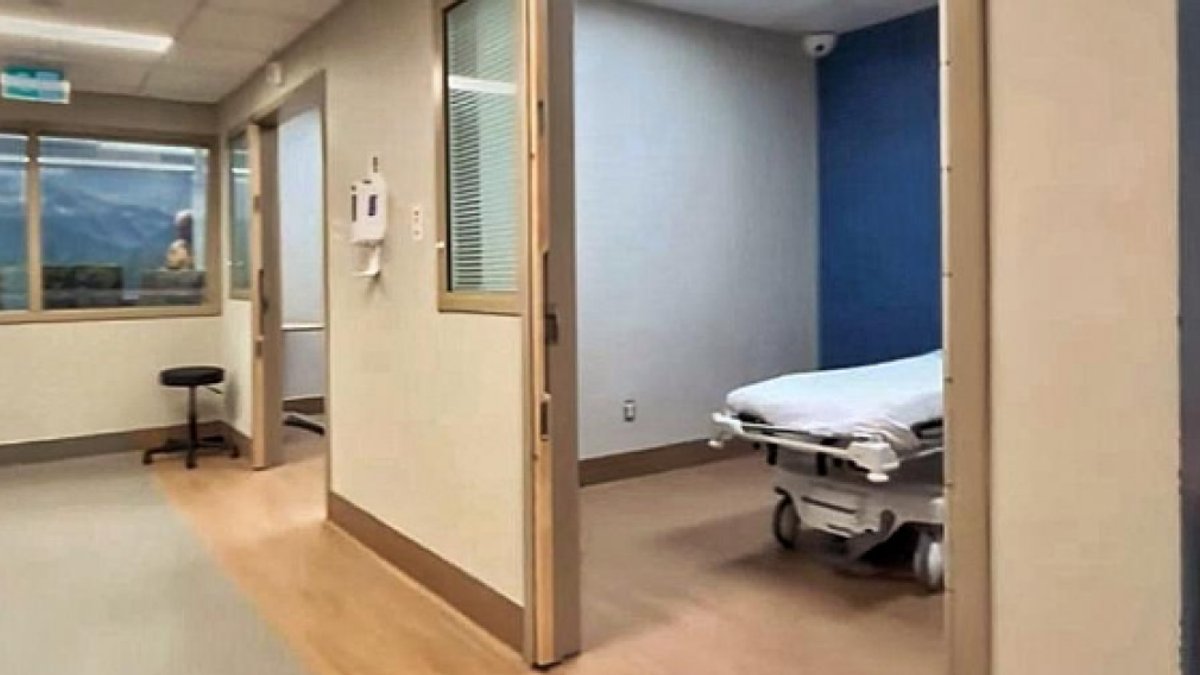
Hospitals across Canada are grappling with how best to handle violence, with some leaning heavily on security measures while others focus on preventive design. Montfort Hospital in Ottawa and Winnipeg’s Health Sciences Centre offer contrasting examples of these approaches.
At Montfort, the emergency mental health zone is designed to promote calm and privacy. Opened in November 2024, the space features natural light, nature-inspired graphics, and a layout that reduces feelings of surveillance. Cédric du Montier, the project architect, emphasizes the role of environmental cues in deescalating agitation.
Security vs. Prevention: Two Approaches to Hospital Safety
In contrast, Winnipeg’s Health Sciences Centre relies on security guards, police patrols, and AI-powered weapons scanners. These measures reflect a reactive approach to violence, treating patients and visitors as potential threats. Despite their widespread adoption, there is no data confirming these measures improve safety outcomes.
A 2022 article in The Hastings Center Report argues that the physical design of healthcare spaces can significantly influence behavior and emotional states. The authors, a multidisciplinary team, suggest hospital leaders often underestimate the impact of their facilities’ design on patients and staff.
The Impact of Violence on Healthcare Workers
Violence in healthcare is a pressing issue. A recent cross-country survey of nurses found that 95% of them experienced some form of violence or harassment in the past year. Nursing unions, like the Manitoba Nurses Union, have responded by grey-listing certain hospitals, advising nurses not to seek employment there.
Lisa Streeter, a Clinical Nurse Specialist in Winnipeg, highlights the importance of creating environments where both staff and patients feel safe. She believes preventing violence starts with addressing its root causes, not just responding to it.
Design as a Tool for Deescalation
Montfort’s mental health zone exemplifies this preventive approach. The design prioritizes well-being, using elements like natural light and privacy to support a sense of calm. Du Montier notes that even the nursing station’s glass barrier is designed to avoid making patients feel observed.
Design Principles for Patient-Centric Spaces
Lisa Streeter envisions an ideal work environment with natural light and nature-inspired elements to support meaningful patient connections. Peter Sampson of Public City Architecture adds, “Do people feel a sense of belonging when they come to that space? If you offer something compelling that strikes a sense of awe in people … they will feel appreciated no matter who they are, and they will treat the space and the program and the people who work there with a decent level of respect.”

COVID’s hidden toll lingers in Canada’s healthcare gaps


