Arts and Crafts Provide 7 Emotional Benefits
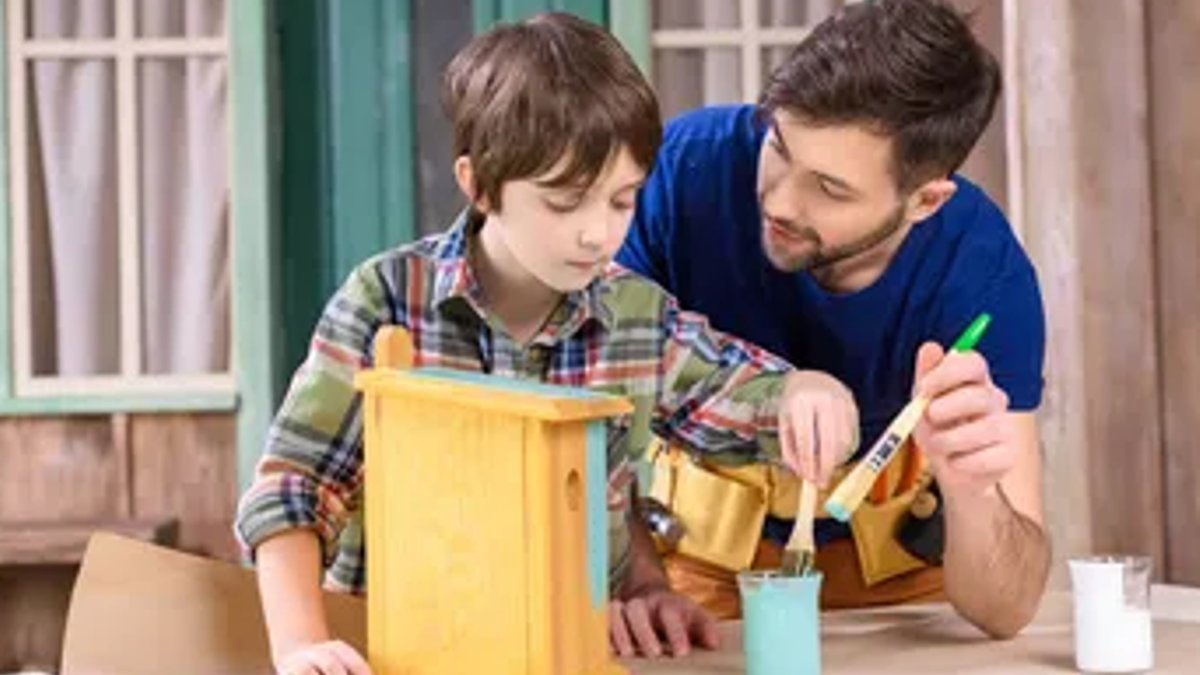
Engaging in artistic activities offers a surprising array of emotional advantages that can improve mental wellness. The creative process, whether through painting or sculpting, provides a constructive outlet for emotions and helps maintain psychological health. Researchers have identified several key benefits associated with the regular practice of arts and crafts, ranging from stress reduction to improved cognitive function.
Artistic hobbies can serve as a form of active meditation. When a person is deeply involved in a project, their mind becomes occupied, pushing aside negative thoughts. This immersion often triggers a meditative state where distressing concerns are temporarily suspended. By consistently practicing these activities, individuals may see a reduction in overall stress levels, resulting in a clearer mind.
Related: 13 Foods That Support Your Lymphatic System
The act of completing a project can significantly boost self-esteem. Seeing a finished piece of work triggers a sense of accomplishment that builds confidence. This burst of confidence is partly biological; the process stimulates the production of dopamine, a neurotransmitter associated with positive emotions. Lowering feelings of depression while boosting self-worth creates a positive feedback loop that encourages continued creative effort.
Physical and Mental Health Improvements
Participating in artistic activities can also help manage health conditions. A study published in the American Journal of Public Health found that people who frequently practice art experienced lower stress levels and a positive emotional boost. The benefits extend to those with serious medical issues, such as Alzheimer’s disease and dementia. Patients viewing art have shown improved medical symptoms and reduced symptoms of psychiatric disorders. One researcher, Dr. Arnold Bresky, noted that his patients using art therapy as a treatment had improved their memories by 70 percent. Senior homes often recommend these creative therapies to support residents with dementia.
Related: Homemade Marshmallows Elevate Classic Treat
From a neurological perspective, these hobbies stimulate brain productivity. Engaging in arts and crafts requires a combination of fine motor skills, creativity, and problem-solving, which challenges the brain in unique ways. This mental exercise strengthens the connection between the right and left hemispheres of the brain, facilitating concentration and focus. A strong neural connection between these two halves enhances mental productivity and psychological resilience. This kind of sustained mental exercise can improve cognitive function, making the brain more efficient in other areas of life.
Building Connections Through Creativity
Collaborative art projects offer a platform for socialization and teamwork. When done in a group setting, these activities require communication, collaboration, and the sharing of ideas. Participants must work together to achieve a common goal, whether it is completing a large art installation or contributing to a group craft. This collective effort builds teamwork skills and teaches the value of cooperation and respect for others’ ideas. The shared experience of creating something together can also strengthen existing relationships and help forge new friendships.

13 Foods That Support Your Lymphatic System


